State Vs Mann and the Question of Freedom
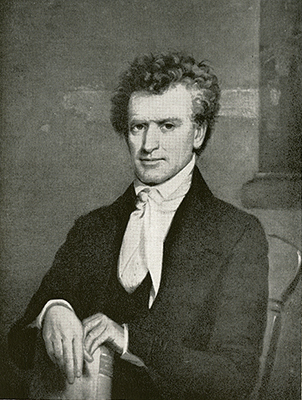
According to the case presented in the mock trial, Mann shot Lydia after she attempted to escape from him. Lydia had been enslaved by another person and was reportedly upset with Mann before attempting to run away. After the incident, Mann was charged with assault and fined five dollars. Mann appealed the decision, arguing that requiring him to pay the fine was unfair and that the state had interfered with his rights as a slave owner.
During the mock trial, the state's arguments focused on the changing social and moral attitudes of the 1830s. This period was characterized by what the state described as a growing moral awakening. Religion played an important role in these discussions, particularly as religious communities became increasingly involved in debates surrounding slavery and abolition. Churches, town meetings, and other community gatherings created spaces where individuals could reflect on morality and demonstrate what the state characterized as moral courage. The state also argued that slavery negatively affected broader economic development, making the institution not only a moral issue but also a social and economic concern.
Mann's lawyers presented a very different argument. Their position was based largely on the legal status of enslaved people at the time. They argued that enslaved people were legally considered property and therefore did not possess the same rights recognized for free individuals. From this perspective, property could not experience pain or possess human rights in the same way a person could. This argument illustrated how the law was used to define and restrict the rights of enslaved individuals.
The mock trial was especially significant because it demonstrated the tension between the legal system and changing ideas about morality and human dignity. While the law treated enslaved people as property, the arguments presented in the case forced participants to consider whether legal definitions could justify the treatment of human beings. The contrast between the state's arguments and Mann's legal defense also showed how difficult it was to separate the law from the social values of the period.
Overall, the mock trial provided a valuable way to understand State v. Mann beyond simply reading about it in a textbook. Hearing competing arguments made the historical conflict more concrete and demonstrated how questions about slavery, property, morality, and human rights were debated through the legal system. The experience emphasized the importance of examining historical cases within their broader social and political context while considering how ideas about justice and individual rights have changed over time.


No comments:
Post a Comment